
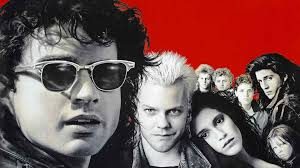
The Lost Boys Store: Inside the Film’s Iconic Shop Mystery
Step inside the dimly lit back‑room of a 1980s vampire cult classic and you’ll find a treasure that has never quite left the silver screen: The Lost Boys Store. This modest shop, perched on a fictional Santa Carla boardwalk, became a pilgrimage site for fans who crave more than just a glimpse of teenage werewolves. Its shelves are stacked with comic‑book art, vinyl records, and gothic memorabilia that feel as real as the night itself. In this post we peel back the curtain, explore the origins of the set, and uncover the lingering mystery that still draws visitors to the iconic shop.
The History Behind the Iconic Shop
When director Joel Schumacher began filming in 1986, he needed a location that could embody both beach‑town innocence and an undercurrent of darkness. The Lost Boys Store was built on a soundstage in Wilmington, North Carolina, using reclaimed wood salvaged from an actual 1950s surf shop. This choice gave the interior an authentic, weather‑worn look that resonated with the film’s youthful rebellion vibe.
The set designers consulted with local shop owners to source genuine surf‑culture artifacts—old surfboards, sea‑shell necklaces, and hand‑printed T‑shirts. Each piece was chosen not just for visual appeal but to hint at the characters’ hidden lives. The store’s neon sign, flickering “Lost Boys” in electric blue, was a hand‑crafted piece that still functions in replica versions sold at conventions today.
After filming wrapped, most of the set was dismantled. However, a handful of original props were saved by the art department and later auctioned to fans. That scarcity turned The Lost Boys Store into a mythic relic, a piece of cinema history that lives on in stories, photographs, and the occasional pop‑up exhibition.
The Set Design and Hidden Details
Every corner of The Lost Boys Store holds a secret. The front counter, for instance, features a concealed compartment where the script’s original “vampire blood” prop was stored. The compartment is still visible today, a subtle reminder of the film’s practical effects era.
Lighting played a crucial role in creating the shop’s eerie atmosphere. Designers installed low‑profile LED strips behind the shelving to cast a faint amber glow, mimicking the hazy glow of a late‑night beach bar. This illumination was purposely uneven, casting shadows that seemed to shift as the camera moved—a visual cue that something supernatural hovered nearby.
Even the merchandise tells a story. One of the posters on the wall is a fake advertisement for a fictional comic called “Vampire Tales,” a nod to the teenage characters’ love of horror comics. Fans have long debated whether this poster was an inside joke or a deliberate clue about the boys’ true nature.
Why Fans Keep Returning to The Lost Boys Store
The enduring appeal of The Lost Boys Store lies in its blend of nostalgia and mystery. For many, stepping into a recreation of the shop feels like entering a portal back to the mid‑80s, complete with the sound of surf guitars and the smell of salty sea air. The experience is amplified by the store’s iconic status in pop culture, cemented by countless fan art, cosplay, and even themed coffee drinks at specialty cafés.
In recent years, pop‑up replicas have appeared at fan conventions, meticulously reconstructed using original blueprints. These temporary installations often feature interactive elements—such as hidden QR codes that lead to exclusive behind‑the‑scenes footage—allowing fans to uncover new layers of the narrative.
Social media amplifies the phenomenon. Every year, fans post “tour videos” of the recreated shop, dissecting each prop and debating hidden meanings. The conversation fuels a cycle of curiosity, prompting newcomers to seek out the next installation, ensuring the legend of The Lost Boys Store never fades.
The Mystery That Still Lingers
Despite decades of analysis, one question remains unanswered: was The Lost Boys Store ever a real, functioning shop in the script’s universe, or merely a symbolic crossroads for the characters? The ambiguity is intentional, allowing viewers to project their own interpretations onto the space.
Screenwriter Jan Skrentny once hinted that the store’s name was chosen to reflect the characters’ feeling of being lost—both literally as teenagers and metaphorically as vampires. Yet, the presence of real‑world items like the vintage comic books suggests a tangible link to the outside world, blurring the line between reality and the supernatural.
Today, the shop’s legacy endures not just as a set piece, but as a cultural touchstone. Whether you’re a die‑hard fan, a curious tourist, or a scholar of film design, The Lost Boys Store offers a compelling glimpse into how a simple storefront can become an icon of mystery, rebellion, and timeless allure.